Beyond the Logo: Building a Brand That Works Everywhere
A logo identifies a business. A brand system helps that business feel recognisable across everything it makes.
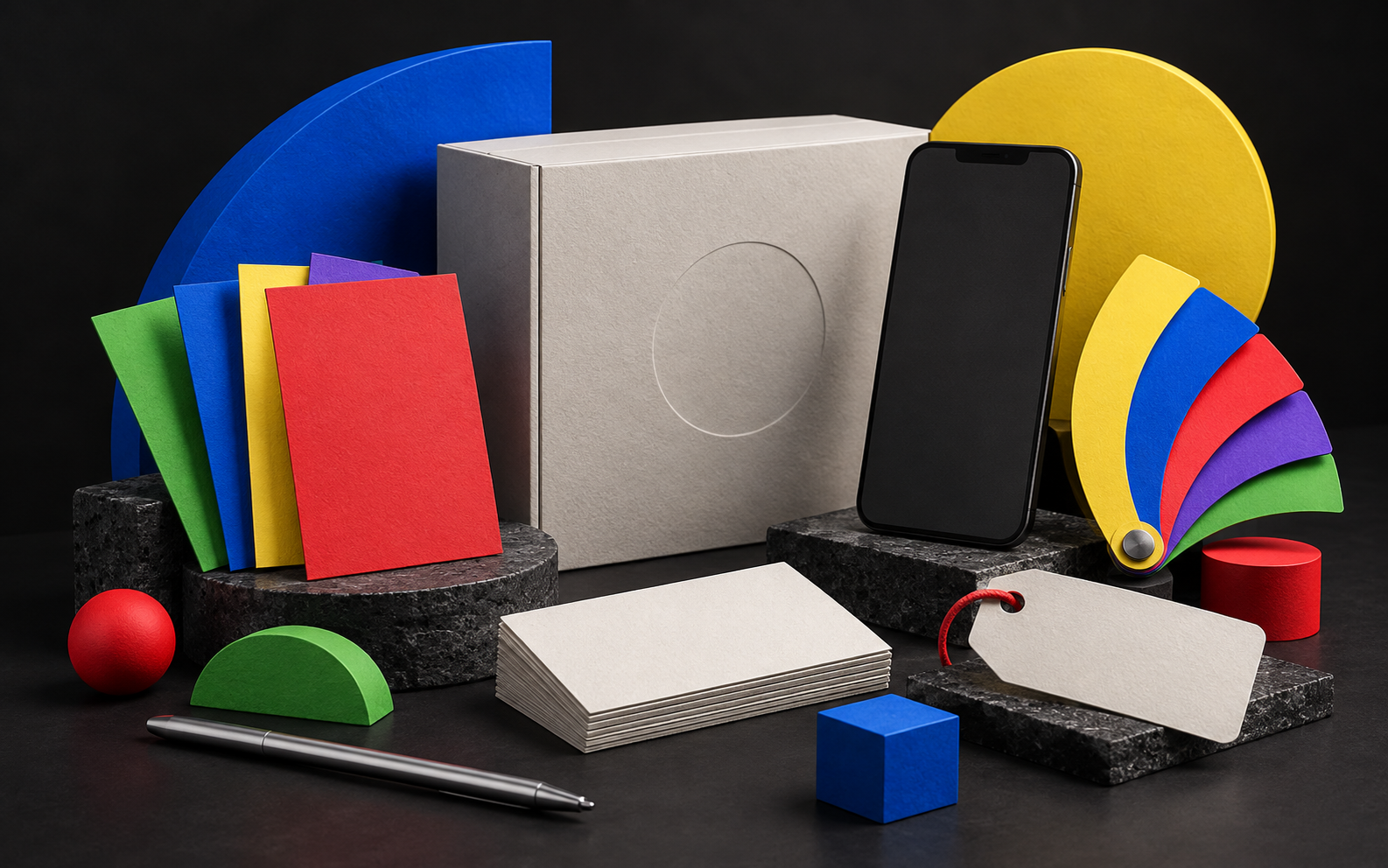
A logo identifies a business. A brand system helps that business feel recognisable across everything it makes. If your website, social feed, presentation and app look like they belong to different companies, another logo export will not solve the underlying problem.
Think in experiences, not isolated assets
Brand identity includes visual decisions, language and behaviour. Google Design’s guidance on expressing brand in digital products describes typography, colour, imagery, voice and motion as connected touchpoints. It is an established design reference, not a newly announced 2026 feature. Source: Google Design.
Our recommendation is to assess the places where customers actually meet your business. Start with an enquiry, an ad, a website visit and the product or service itself. Ask whether those encounters make the same promise.
Define the few things that should stay consistent
Write down the audience, the core offer and the character you want the brand to express. “Modern” alone is too broad to guide a designer or a writer. “Clear, energetic and direct, without sounding pushy” creates a more useful direction.
Translate that direction into a small set of rules: approved logo versions, type hierarchy, colour roles, image treatment and examples of voice. Distinguish fixed elements from flexible ones. Campaigns should have room to be creative without inventing a new identity each week.
Test the identity in difficult places
A brand presentation is a controlled environment. Real use is less forgiving. Test the logo at a small size, place a long headline in a mobile layout and put the palette behind an actual photograph. Try the identity in a proposal and a social video caption, not only on an oversized mockup.
Illustrative example: a vivid accent can work beautifully on a campaign cover but be uncomfortable behind a full page of text. Give it a defined role instead of forcing it into every surface. The point is consistent recognition, not identical layouts.
Connect branding to UI/UX
A website or app is where visual identity becomes something people use. Decide how buttons, forms, navigation and feedback should look and behave. Keep errors understandable and interactive elements recognisable. Motion should explain a change or add character without delaying the task.
For a startup, we would begin with the screens customers need most: discovering the offer, comparing options and taking the next step. Build reusable components around those needs. A larger company may need a broader system and a clearer approval process, but the same principle applies: design rules should help real work happen.
Make the system usable by the whole team
Deliverables should not stop at a folder of final artwork. Include editable templates, correct export formats, short usage notes and a named place for the current assets. Show a few examples of what not to do, especially stretching logos, inventing colours or using unreadable text over imagery.
As teams use generated imagery and faster content tools, our editorial recommendation is to keep human review focused on consistency and truthfulness. A visually impressive asset is not automatically appropriate for the brand. Generated concepts should not be presented as evidence of a real client project.
Quick answers
Do we need a complete rebrand?
Not necessarily. An audit may show that the logo is sound and the missing piece is a consistent system around it.
Can the website look different from social media?
Yes. Layout and pacing can change by channel while the identity remains recognisable.
What should a small team prioritise?
A concise set of guidelines, a usable asset library and templates for the materials it produces most often.
Build an identity that can grow
FlynLab connects brand design with UI/UX and development, so the identity can carry through to the digital experience. Explore Brand & Creative or start a brand conversation.
Research checked on 29 September 2026. This is an evergreen framework reviewed for current use, not a report of a new branding trend or a client case study.